Chennai's Living History
From 1639 to today - A journey through the Gateway to South India
From 1639 to today - A journey through the Gateway to South India
Key milestones that shaped the city's unique character and identity
The British East India Company purchases land from local Nayak rulers, establishing Fort St. George as their trading post on the Coromandel Coast. This modest beginning would grow into one of India's most important cities.

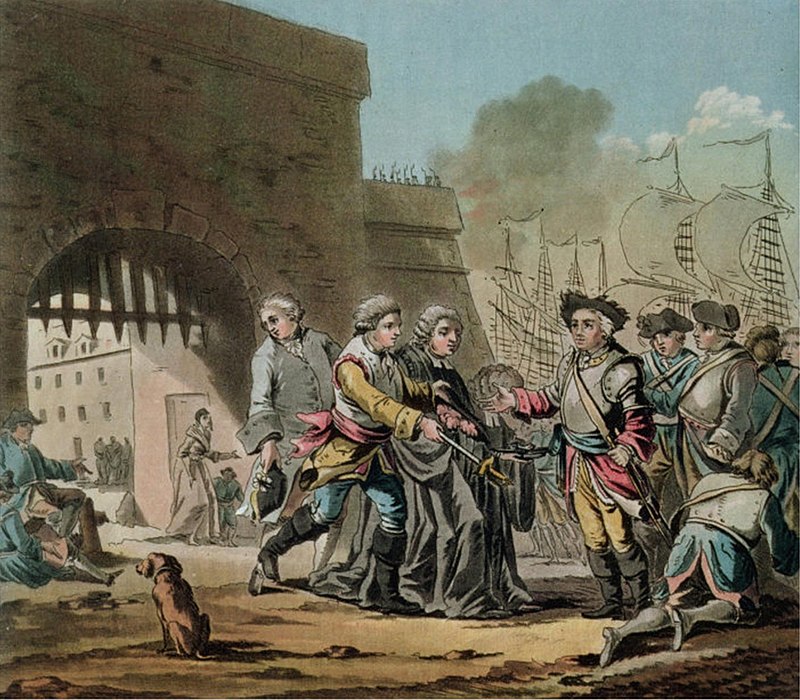
French forces capture Madras during the War of Austrian Succession, holding it for three years before returning it to Britain. This period saw significant fortification of the city.
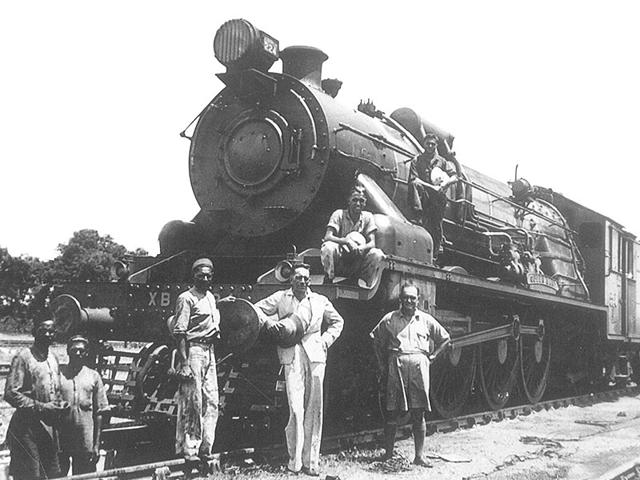
Madras becomes home to India's first railway line, connecting the city to Arcot. This revolutionized transportation and marked the beginning of Chennai's modern infrastructure development.
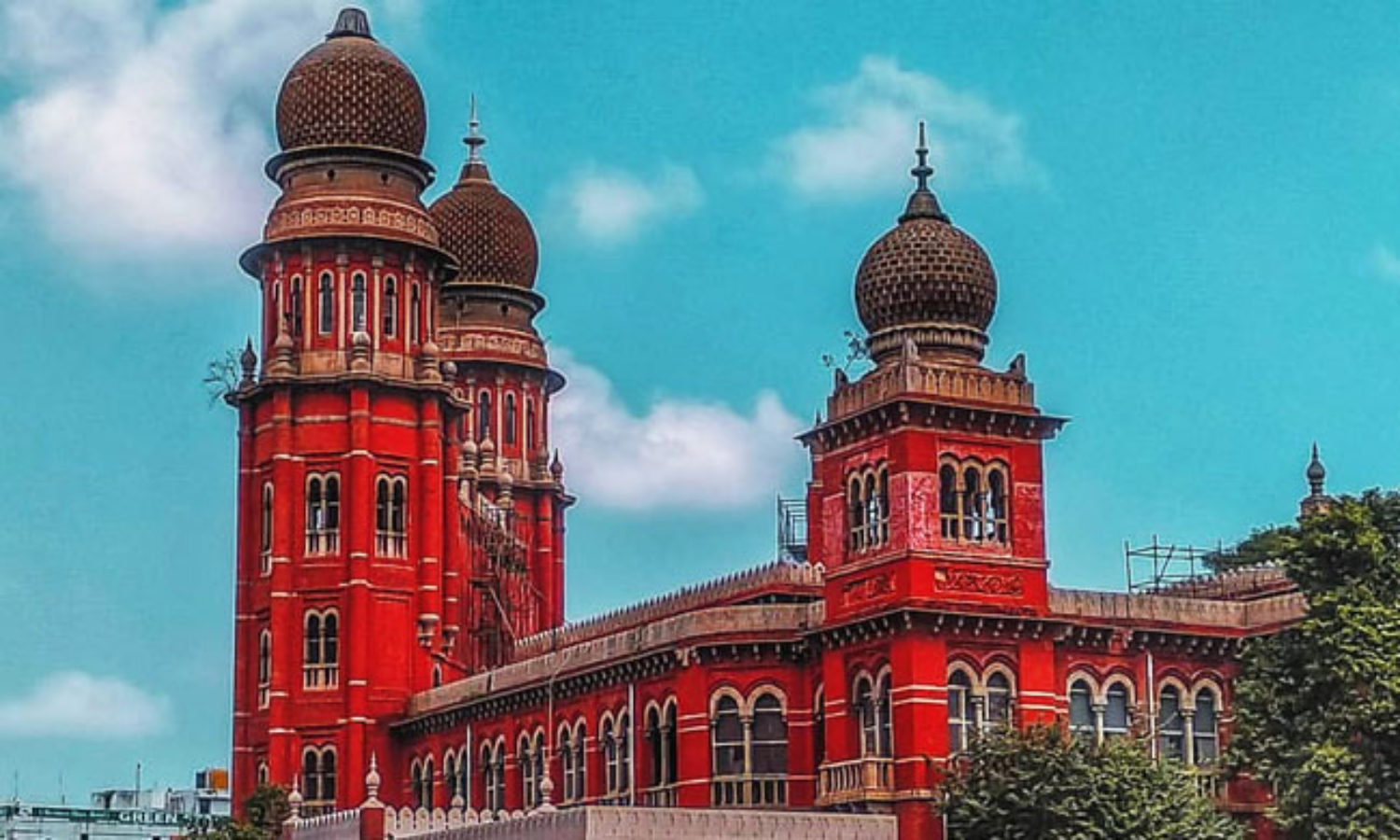
Madras becomes capital of Madras State as India gains independence from British rule. The city began transforming into an important administrative and cultural center of independent India.
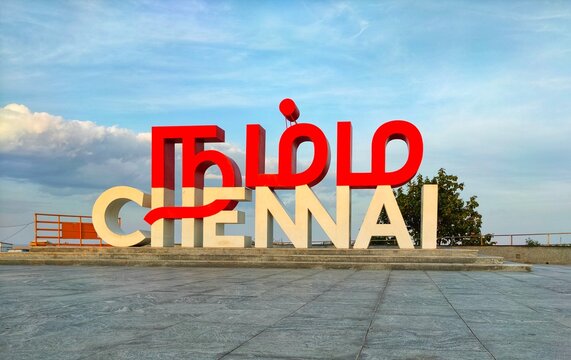
The city officially changes its name to Chennai, reclaiming its Tamil heritage while maintaining its cosmopolitan character. This marked a new era of cultural renaissance.
The foundation of modern Chennai and its early development under British rule
Chennai's story begins with the establishment of Fort St. George by the British East India Company in 1639. What started as a small trading post grew into a strategic colonial outpost, with the city developing distinct British (White Town) and Indian (Black Town) quarters.
The 18th century saw Madras emerge as an important center of British power in South India, surviving conflicts with the French and local rulers. The city's distinctive Indo-Saracenic architecture began taking shape during this period.
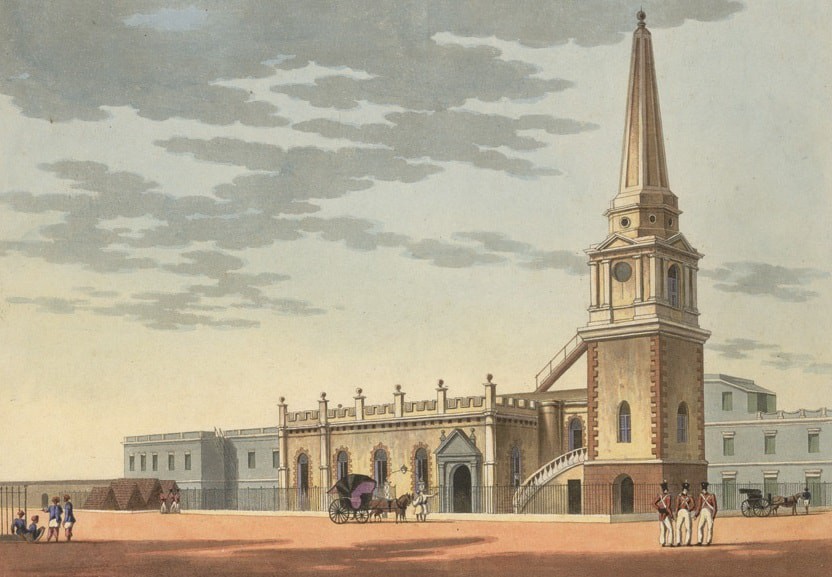
The city's golden age under the British Raj and its role in India's freedom struggle
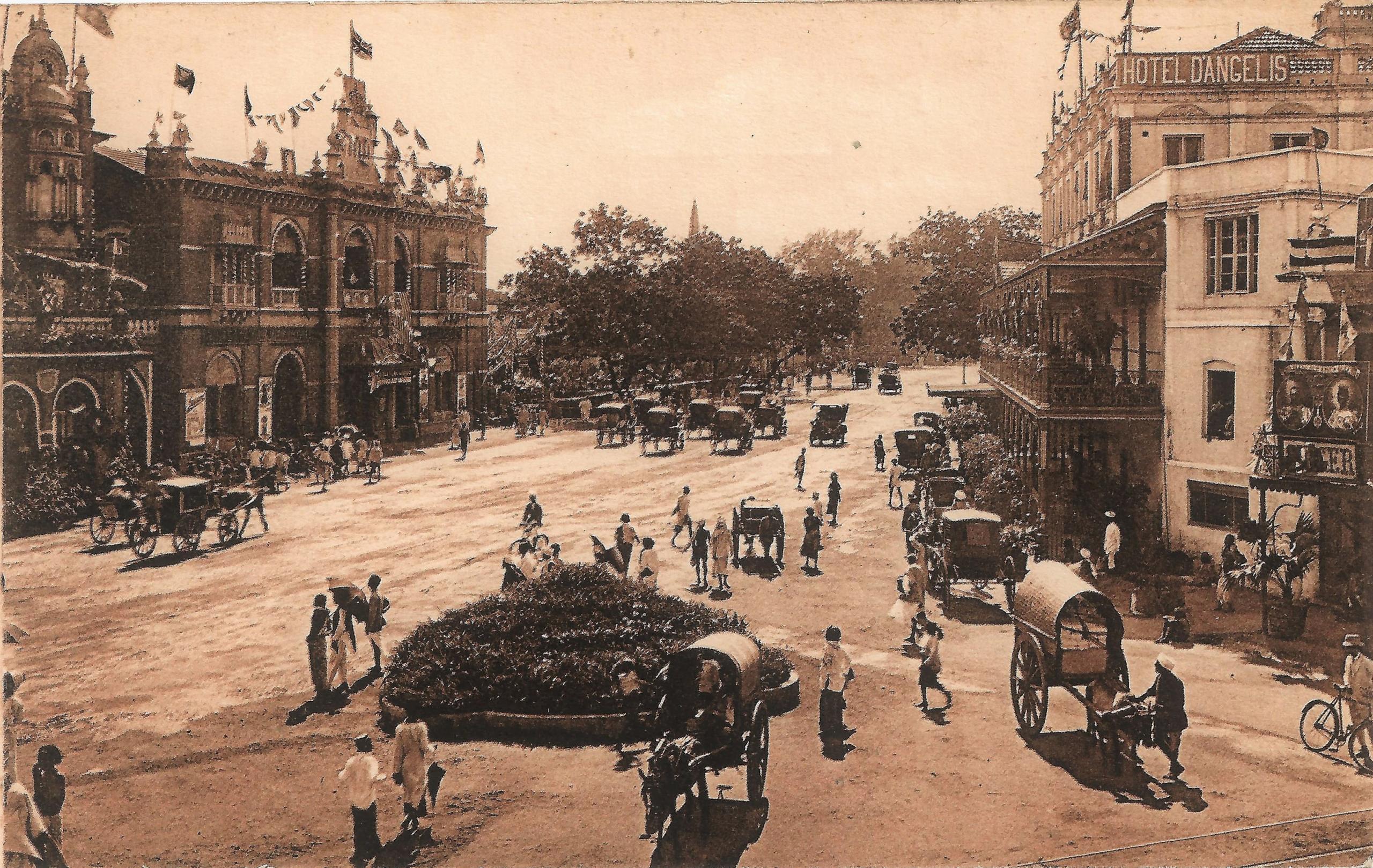
During the height of British rule, Madras transformed into a major administrative and cultural center. The city saw remarkable infrastructure development while becoming a hub for the Indian independence movement in the South.
Key developments of this era include the establishment of educational institutions, expansion of the harbor, and the growth of nationalist politics. The city's unique blend of British and Indian cultures became firmly established.
From post-independence development to 21st century metropolis
Post-independence, Chennai (then Madras) became the capital of Madras State and later Tamil Nadu. The city evolved into an industrial and cultural powerhouse while retaining its historical character.
The late 20th and early 21st centuries saw Chennai emerge as a global hub for automobile manufacturing, IT services, and healthcare tourism, all while preserving its rich cultural heritage and traditions.
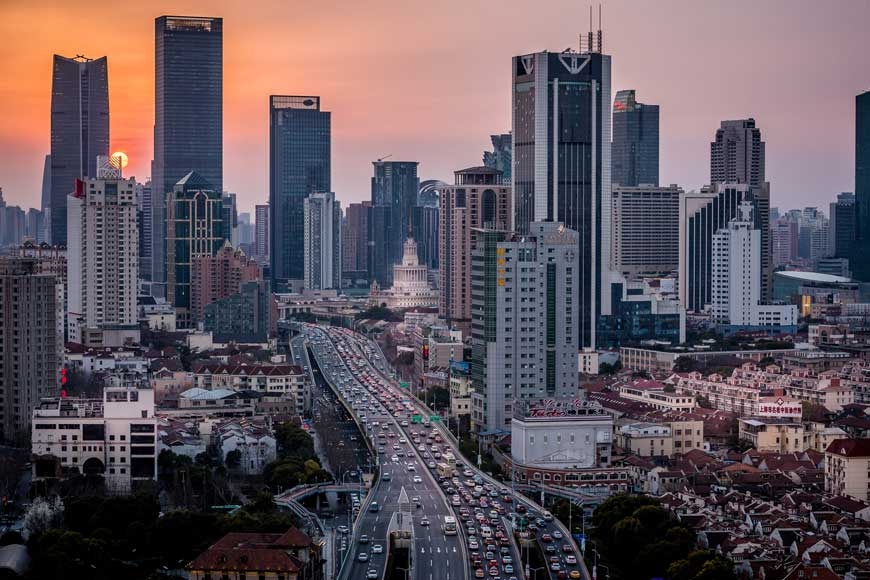
People who shaped the cultural and political landscape of the city

The last Governor-General of India and founder of the Swatantra Party, who played a key role in Tamil Nadu politics and the freedom movement.

Former Chief Minister of Tamil Nadu and founder of the DMK party, who championed Tamil language and culture.
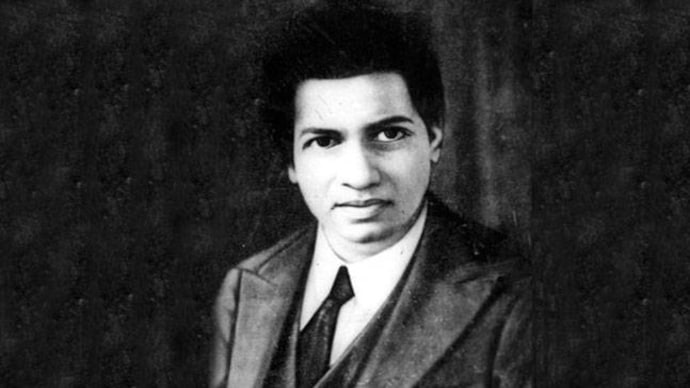
The mathematical genius whose work continues to inspire mathematicians worldwide, born and educated in Chennai.
How the city's arts, traditions and identity developed over centuries
Chennai became the guardian of South Indian classical arts, with the establishment of the Music Academy in 1928 and the growth of the December music season.
Birthplace of Indian cinema with the first studio in 1916, Chennai's Kodambakkam became the heart of Tamil film industry, influencing culture across South India.
Home to pioneering Tamil publishers and writers, Chennai fostered a vibrant literary culture that blended traditional Tamil with modern influences.
The city's architecture evolved from Dravidian temples to colonial buildings to modernist structures, creating a unique urban landscape.